Why Does Live Blackjack Feel Slower Than Digital Blackjack?
Open a live blackjack table and the first thing you notice is usually the lobby: a row of table tiles, dealer or studio images, limits, game names and, on mobile, a compact menu that may take a moment to load. Choose a table and you’ll see a real dealer, cards dealt on camera and a stream of other players’ decisions. Open an RNG blackjack game instead and you’re typically straight into a virtual table, with cards and outcomes generated by software.
That difference explains much of the gap in live blackjack pace. Digital blackjack can move from one hand to the next as soon as you make a choice. Live blackjack has to accommodate a person dealing cards, a shared table, betting windows and a video feed. The result can feel slower, even when the actual time spent making decisions is similar.
It isn’t simply that the dealer has a slow hand. The two formats are built around different experiences: one prioritises quick, individual play; the other combines a casino game with a live broadcast and shared interaction.
What You See Before the First Hand
In RNG blackjack, the first few seconds are often straightforward: select a game, choose a stake and start. The interface may show a digital dealer or a simple card layout, but the round is controlled by software. Once you tap “deal,” the game can display the cards without waiting for a physical shuffle, a camera shot or another player to finish acting.
In a live lobby, the choice is more like selecting a broadcast. You might compare tables by their limits, format, dealer or available seats. The live lobby available on mobile can make that choice convenient, but it also puts a streaming experience between you and the first hand. The stream has to connect, the table has to open, and the betting window may only begin at a particular point in the round.
On a phone, those small steps matter. Players often dip in for short sessions, switch between apps or play over patchy Wi-Fi. A table that is ready to go can feel immediate; one that is buffering or reconnecting can make the whole game seem slower than it is. That is a connection issue, not necessarily a change in the dealer dealing speed.
Live Casino Versus RNG-Based Games
The main difference is who or what runs the round. In RNG blackjack, a random number generator determines the cards according to the game’s programmed rules. The game can present the result quickly because it does not need to film a physical deal.
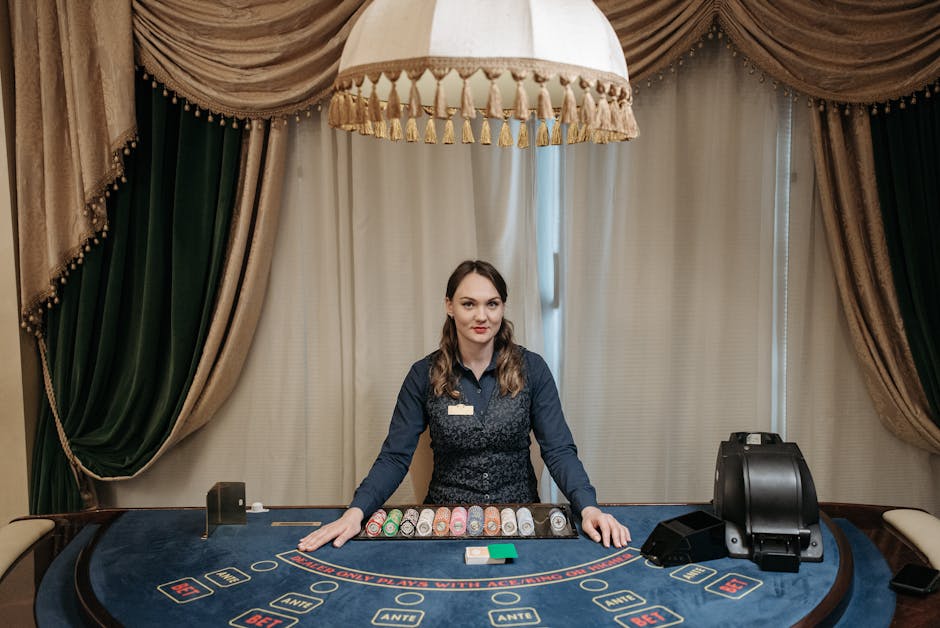
In live blackjack, a dealer handles cards at a real table, while cameras and software transmit the action to players. The studio has to follow a sequence: open betting, close betting, deal, allow decisions, settle the hand and prepare for the next one. Each stage takes time. Even a fast dealer cannot remove every pause without making the game difficult to follow.
What affects the pace RNG blackjack Live blackjack Card handling Cards are generated and shown by the software A dealer physically deals cards on camera Player decisions Usually limited to your own hand Your choices happen within a shared table round Round transitions Often quick and player-controlled Include betting windows and dealer procedures Viewing experience Game interface and animations Video stream, table view and live interaction Connection needs Typically less dependent on continuous video Streaming quality can affect how continuous play feelsThis is why “rng blackjack fast” is a useful shorthand for the format, but not a promise that every digital game is instant. Animations, sound effects, confirmation screens and your own tapping speed can all add time. Still, the software doesn’t have to wait for a dealer to collect cards or for a live betting window to reopen.
The Table Is Shared, So Decisions Take Longer
In a digital game, you generally make a decision for your hand and the game responds. In a live game, the dealer has to manage a round that may include several seats. Players may hit, stand, double down or split at different points, depending on the rules and table format. The dealer must give each player the proper opportunity to act before moving on.
That shared sequence changes how time feels. If you are waiting for another seat to decide, you are not actively playing, but you are still watching the hand unfold. The same wait can feel more noticeable when you have already made your choice and are ready for the dealer to continue.
There is also a practical reason for pauses: decisions need to be clear. A live table cannot always treat a hesitant tap like a digital game might. The interface may show a countdown, and the dealer may wait for the action to register. If you are multitasking or your connection is delayed, you can miss part of that window or find the controls less responsive than expected.
Player choice is part of the tempo
Every decision adds a small beat to the hand. A player might take a moment to check their total, review the table rules or decide whether to hit. That is genuine interactivity, but it comes with a trade-off: the game gives you more of a sense of participation than a rapid, automated sequence, while asking you to share the clock with other people.
It is worth separating “slow” from “bad.” A pause can be useful if it gives players time to understand what is happening. But if you prefer a quick run of hands, even a well-managed live table may not suit the way you want to play.
Streaming Has Changed What We Expect From Interactive Entertainment
People are used to on-demand video, livestreams and interactive broadcasts that respond quickly to a tap or comment. That shapes expectations for casino streams too. When a player sees a real dealer on screen, they may expect the table to behave like a fast app with a person added to it. In practice, it behaves more like a live programme with interactive controls.
A stream has to capture the table, send the video and keep the interface in sync with the action. If the feed briefly freezes, the cards may appear to pause even if the table has moved on. If the stream has a slight delay, your view can feel a beat behind the game. The exact experience depends on the operator, device, browser or app, and network connection.
This is especially obvious on mobile. A short session can be interrupted by a notification, a Wi-Fi handover or a call. Returning to the table may require a reconnect or a quick check that the controls are live. The mrq live casino, for example, is a way to access live tables through mrq; as with any live service, the actual feel depends on the table, device and connection. The live lobby available on mobile makes tables accessible from a phone, but it cannot make a video stream behave exactly like a locally rendered RNG game.
Production Values Add Rhythm, Not Just Speed
Live casino tables borrow techniques from broadcast entertainment: studio lighting, camera angles, branded sets, dealer introductions and on-screen graphics. Some casino formats lean further into game-show presentation, using music, host-led segments, big visual displays or bonus-style rounds. The goal is to make the experience watchable as well as playable.
Those production choices can make a table more engaging, but they can also add time between actions. A camera cut, a dealer explanation or a transition into a special feature takes longer than a simple digital animation. In a game-show format, the pauses may be part of the show’s rhythm rather than a technical delay.
Companies and brands contribute to that presentation in different ways. Variety is one name players may encounter in the wider casino-content landscape, while mrq is an operator brand with a casino offering. The important point for a player is not the logo alone, but the format on screen: a conventional blackjack table, a more theatrical game-show-style experience, or a digital game designed to keep rounds moving.
Production polish should not be confused with better odds or a better chance of winning. A lively studio, fast graphics or an energetic host does not by itself change the blackjack rules or the mathematical advantage. To compare games, look at the published rules and game information rather than relying on presentation or broad claims.
Dealer Dealing Speed Is Only One Part of the Equation
Players often blame a slow round on the dealer dealing speed, but the dealer is only one part of the process. The full cycle includes the time to place bets, confirm the betting window has closed, deal cards, wait for player actions, resolve the dealer’s hand and clear the table for the next round.
Some tables may feel brisk because the dealer is experienced, the interface is responsive and the player count is low. Others can feel slower when several seats are occupied, someone takes longer to act or the stream is struggling. You may also notice that a table’s pace changes from hand to hand rather than staying constant.
Before deciding a table is unusually slow, check whether the pause is in the video, the game controls or the round itself. If the cards continue moving but your controls lag, the issue may be your connection or device. If the table is waiting for casino live lobby an action, it is more likely part of the shared game sequence.
How to Choose the Pace That Suits You
Neither format is automatically better. The right choice depends on whether you want quick individual rounds or the atmosphere and interaction of a live table. A few practical checks can help:
- Look at the table format. Standard blackjack tends to have a more direct rhythm than a heavily produced game-show format.
- Check the limits and rules. They affect whether the table suits your budget and play preferences, not just how quickly it runs.
- Consider the number of seats. A shared table can involve more waiting when several players are making decisions.
- Test your connection before joining. A stable connection matters more for a continuous live video feed than for many RNG games.
- Think about session length. If you have only a few minutes, a digital game may be easier to dip into and leave.
If you are browsing mrq, take a moment in the lobby to compare the available options before opening a table. Check what is actually shown—limits, game type and any table information—rather than assuming every live game has the same pace. On mobile, also consider whether you can watch the stream comfortably while keeping the controls visible.
So, Why Does Live Blackjack Feel Slower?
Live blackjack feels slower because it combines the game with physical dealing, shared decisions, betting windows and a video stream. RNG blackjack can compress those steps into software, so “rng blackjack fast” often describes the basic experience accurately, even though animations or interface choices can still add pauses.
The key distinction is not simply a fast dealer versus a slow one. It is the difference between an automated game built around your individual input and a broadcast table built around a dealer and multiple players. Add the production rhythm of modern interactive entertainment—and the occasional realities of mobile streaming—and the pace gap makes sense.
If speed is your priority, digital blackjack is usually the more direct option. If you value seeing a real dealer, following a shared hand and interacting with a live table, the extra pauses are part of the format. Choose with that trade-off in mind, set a budget before you play, and remember that neither pace nor presentation changes the underlying chance of a result.